
Tag Archives: Prescott Landscaping Company

Water Your Plants During Winter in Central Arizona: Why Dry Winters Require More Attention

Winter in Central Arizona often surprises new residents and long-time homeowners alike. While the season brings cooler temperatures and occasional storms, the Central Arizona mountain region—especially throughout Yavapai County—typically experiences long periods of dry weather. Depending on which zone you live in, winter conditions can vary dramatically, but one fact remains the same across the region: your plants still need consistent moisture during the colder months.

Vicente Landscaping is here to help you protect your investment and keep your landscape thriving year-round.

Understanding Winter Conditions in Yavapai County

From Prescott and Chino Valley to Dewey-Humboldt and Sedona-adjacent elevations, Yavapai County covers several microclimates. Some areas experience deeper freezes, while others remain relatively mild. Regardless of your exact zone, winter dryness is a real challenge.

Cold temperatures slow plant growth, but roots continue to function. When the soil becomes too dry for extended periods—especially during windy winter spells—plants can become stressed, weakened, or damaged heading into spring.

Why Winter Watering Matters

Many people assume that watering is unnecessary during the colder months. In reality, winter can be one of the driest times of year in Northern and Central Arizona. Here’s why winter watering is essential:

1. Prevents root dehydration

Even dormant plants rely on moisture to keep roots alive and functioning.

2. Helps insulate plants from temperature fluctuations

Moist soil stays warmer than completely dry soil, reducing stress during overnight freezes.

3. Reduces risk of spring die-back

When plants begin to wake up in March or April, they need adequate stored moisture for healthy growth.

4. Supports evergreens and native shrubs

These varieties work year-round and require steady hydration to stay vibrant.

How Often Should You Water in Winter?

Winter watering schedules vary by elevation, sun exposure, soil composition, and plant type. As a general guide:

  • Water shrubs and trees deeply every 2–4 weeks, depending on weather patterns.
  • Water more often during extended dry periods.
  • Water during the warmest part of the day to avoid freezing risk.
  • Ensure water penetrates the root zone instead of quick surface wetting.

If you’re unsure how much water your landscape needs, Vicente Landscaping can evaluate your zone, soil type, and plant species to create a custom winter watering plan.

Protect Your Landscape Investment

Consistent winter watering sets your outdoor space up for success in the spring. It strengthens roots, prevents stress, and reduces the risk of losing expensive plants after the cold season.

For winter watering support, seasonal maintenance, or full-service landscape care, contact Vicente Landscaping today at 928-636-1601 or visit https://vicentelandscaping.com
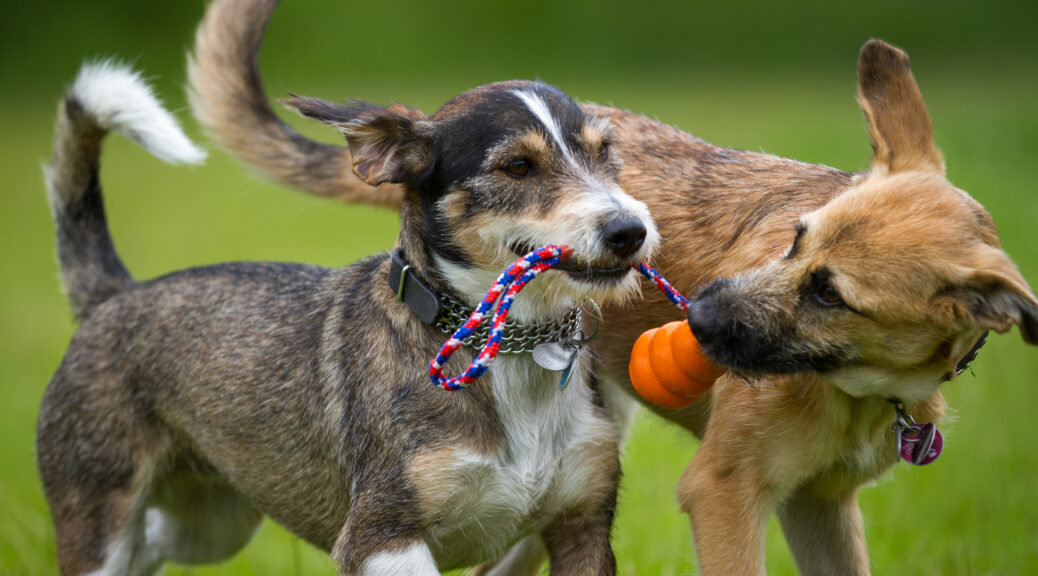
How to Keep your Landscaping Dog-Friendly

A beautiful lawn and a happy pooch is now possible

Can an attractive front landscaping and dog co-exist? Yes, they can!

It’s generally believed that dog owners can’t have an attractive yard. Not if your yard’s landscaping isn’t dog-friendly. To be certain that your pooch has a great time romping in the yard without ruining its beauty, you must provide your dog with all the amenities it needs.

Let’s find out all the great tips to maintain your landscaping and let your buddy make merry while he’s out there.

Grasses

To help you determine the best options for your situation, we recommend grasses, living ground covers and non-living ground covers, and provide a variety of tips for maintaining a yard that meets the needs of your dogs without sacrificing visual appeal or overall function.

Pavers

Covering the run with manufactured pavers allows you to eliminate the mess without harming your dog’s sensitive paws. Manufactured pavers are also easy to hose down, allowing you to eliminate pet messes, odors and bacteria with your garden hose.

Install wire cages

Place wire cages around shrubs and trees to keep the dog from urinating on the roots of the plants. The enclosure will keep the dog away from your favorite plants.

Provide a place to play

Dogs love open fields because they are able to play. Provide enough space in the landscape where your buddy can run and chase. He will be busy jumping and playing and you will have fewer problems.

Choose dog-friendly materials

The landscaping materials shouldn’t be too hot for the dog. They should be easy to walk on and shouldn’t cling to the dog’s fur and feet. Smooth rocks, pebbles, brick, flagstone, and concrete are all dog-friendly materials.

If you are particularly worried about hot flooring in summer, choose bark chips and mulch. They won’t heat up. The only catch is that you will have to replace them at least once a year.

Artificial turf is an attractive choice for lawns these days. If you’re planning to get it installed, make sure it doesn’t get too hot in summer and is tender for dog paws.

Watch out for toxic plants

If you are planting diverse plants in your landscape, there is a good chance you are growing something poisonous without knowing. You must learn more about all the novel plants you are planting. Their leaves, berries, and other parts shouldn’t be poisonous.

Install a water fountain or sprinkler

Freshwater is essential for the dog. Ideally, go for a splash fountain, sprinkler, or a stream so that your dog has a great time whenever he is out in the yard.

Another option is installing a small pond, especially if your dog loves water.

Provide a shelter or shade

Dogs can get sunburn or heatstroke. If planting large trees is not possible, then consider installing overhead tarps. If there is enough space, you may add a doghouse too. Your pooch will love it and this will serve as a nice addition to your yard’s design.

Install a sandbox

If your dog loves to dig, install a sandbox to keep the dog out of the flower beds. When installing the sandbox, place it in an unused corner and fill it with sand. Show your dog that this is the right place to dig. This is a great way to satisfy your dog’s needs while keeping the rest of the landscape safe.

While making the landscape dog-friendly, it shouldn’t go without saying that you will have to train your dog so that they quickly adjust to the changes in the landscape. As long as our dog respects the boundaries, your landscape will remain in top shape.

Keywords:

Dog-friendly yards, Landscaping for Pets, Pet Safe Landscaping, Vicente Landscaping, Prescott Landscaping Company, Prescott Landscaper, Dog Friendly Yards, Safe Plants for Pets, Animal Friendly Plants, Toxic Plants for Dogs, Safe Yards for Pets, Vicente Landscaping, Landscaping in Prescott, Sandboxes for Dogs